

Benidipine
Uses of Benidipine
Benidipine is a calcium channel blocker used to treat high blood pressure, chest pain, and kidney complications associated with hypertension.
It is commonly used for:
- Hypertension (high blood pressure): Lowers elevated blood pressure to help prevent strokes, heart attacks, and kidney damage.
- Angina pectoris (chest pain): Prevents and reduces chest pain episodes caused by reduced blood flow and oxygen supply to the heart muscle.
Side effects of Benidipine
Headache
Dizziness
Warmth and redness in face, neck, and chest
Swelling in ankles, feet, and legs
Nausea
How Benidipine works
- Benidipine belongs to a class of medicines called dihydropyridine calcium channel blockers.
- It works by blocking the entry of calcium ions through L-, N-, and T-type calcium channels into smooth muscle cells of blood vessels and the heart. Calcium is essential for blood vessel muscle contraction.
- By preventing calcium entry, Benidipine causes smooth muscle relaxation, leading to blood vessel dilation (vasodilation). This reduces vascular resistance, lowers systemic blood pressure, and improves coronary arterial blood flow, ensuring better oxygen delivery to the heart muscle and protection for kidney blood vessels.
Certified content
Written By

Doctor of Medicine
Reviewed By

BAMS, FMC, MD Resident
Expert Advice
Dosage Forms Available
Benidipine can be taken orally (tablet).
Age and Dose Restrictions
This medicine is primarily intended for use in adults.
Contraindications
Benidipine is contraindicated in patients who are allergic to it or any of its ingredients. It is also contraindicated in patients with severe aortic stenosis, those in cardiogenic shock, and those with severe hypotension (very low blood pressure).
Other Medications to Avoid
Benidipine may interact with CYP3A4 inhibitors (such as ketoconazole, itraconazole, and ritonavir), and CYP3A4 inducers (such as rifampicin, phenytoin, and carbamazepine).
Overdose and Missed Dose
- An overdose of Benidipine may cause an excessive drop in blood pressure, leading to symptoms such as severe dizziness, fainting, flushing, or a rapid heartbeat. If you have taken more than the prescribed dose, contact your doctor immediately or visit the nearest hospital for prompt assessment and care.
If you miss a dose of Benidipine, take it as soon as you remember. If it is almost time for your next scheduled dose, skip the missed dose and continue with your regular schedule. Do not take two doses at the same time to compensate for a missed one.
Management of Side Effects
Most side effects are temporary and generally harmless and resolve when discontinuing this medicine. However, if you experience any severe side effects or worsening symptoms, please consult your doctor.
Peripheral oedema can be managed by elevating your feet while sitting down and reducing your intake of salt.
If you feel dizzy, rise slowly from a sitting or lying position. This may help minimise the dizziness.
Use in Driving and Operating Machinery
Benidipine may cause drowsiness and dizziness, which can affect your ability to drive or operate machinery. If you experience these side effects, avoid driving or operating heavy machinery until these symptoms subside.
Use in Pregnancy and Lactation
It should be used during these periods only if the potential benefit justifies the potential risk. Consult your doctor for more information.
Caution in Other Conditions
Patients with severe aortic stenosis should exercise caution while taking Benidipine as it may worsen their condition. Regular blood pressure monitoring is advised, especially when initiating treatment or increasing the dose of Benidipine.
Special Dietary and Lifestyle Recommendations
Monitor your blood pressure at home and keep regular follow-up appointments with your doctor to keep your blood pressure under control.
Stress management techniques like yoga, meditation, and deep breathing exercises can help in managing high blood pressure.
Frequently asked questions
Is Benidipine a steroid?
No, Benidipine is not a steroid. It is a calcium channel blocker used to manage high blood pressure and certain types of chest pain.
Does Benidipine have any effect on sleep?
Benidipine is not directly associated with causing sleep disturbances. However, if you experience such issues, please consult your doctor.
Will Benidipine affect fertility?
Benidipine is not directly associated with affecting fertility. But if you have concerns about fertility issues, it is always advisable to discuss this with your doctor.
Is it safe to take Benidipine daily?
Yes, it is usually safe to take Benidipine daily as long as it is prescribed by a doctor and taken according to their instructions.
How much time does Benidipine take to work?
Benidipine typically starts working within 1-2 hours after intake.
What is the best time to take Benidipine?
Benidipine can be taken at any time of the day, but it should be taken at the same time each day for maximum effectiveness.
What is the duration of treatment with Benidipine?
The duration of treatment with Benidipine will depend on your medical condition and response to therapy. Your doctor will determine the best treatment plan for you.
What is the use of Benidipine?
Benidipine is used to manage high blood pressure (hypertension). It works by relaxing and widening blood vessels, allowing blood to flow more easily and helping lower blood pressure. This reduces the risk of heart attack, stroke, and other heart-related complications associated with uncontrolled hypertension.
List of medicines for Benidipine
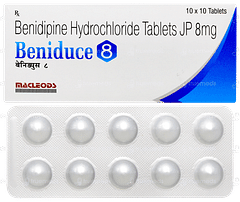
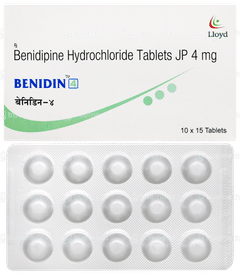
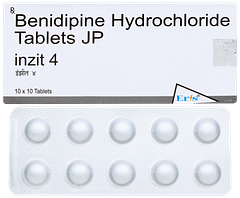

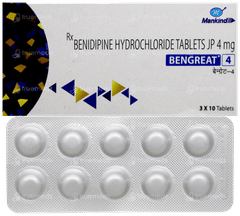


Company
About UsHealth ArticleHealth StoriesHealth LibraryDiseases & Health ConditionsAyurvedaUnderstanding Generic MedicinesAll MedicinesAll BrandsNeed HelpFAQSecuritySavings CalculatorAdvertise with UsSubscribe
Registered Office Address
Grievance Officer
Download Truemeds


Contact Us
Our customer representative team is available 7 days a week from 9 am - 9 pm.
v4.28.20

2026 - Truemeds | All rights reserved. Our content is for informational purposes only. See additional information.

Our Payment Partners