

Atazanavir + Ritonavir
Uses of Atazanavir + Ritonavir
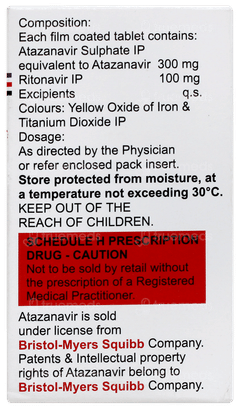
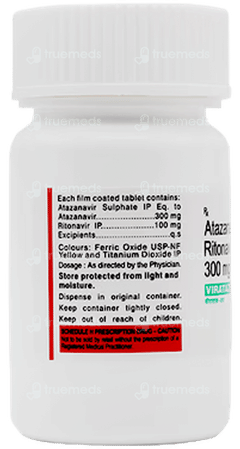
Atazanavir + Ritonavir is an antiretroviral combination used to manage HIV-1 infection.
This combination is commonly used for:
• HIV-1 infection: Helps control the virus and reduce the amount of HIV in the blood, as part of a complete antiretroviral treatment regimen.
• Boosting antiretroviral effectiveness: Ritonavir increases blood levels of Atazanavir, helping it work more effectively against the virus.
Side effects of Atazanavir + Ritonavir
Nausea
Jaundice
Rash
Headache
Abdominal pain
How Atazanavir + Ritonavir works
Atazanavir + Ritonavir works through two actions that reduce the amount of HIV virus in the body.
Atazanavir is a protease inhibitor. It blocks an enzyme called HIV-1 protease, which the virus needs to form new, infectious copies of itself. Blocking this enzyme results in the production of immature viral particles that cannot infect other cells.
Ritonavir is used at a low dose to boost Atazanavir. It slows down the breakdown of Atazanavir in the body, increasing its levels in the blood and making it more effective at controlling the infection.
Together, the two medicines help control the HIV virus, supporting the immune system and reducing the risk of illnesses linked to HIV infection.
Certified content
Written By

BDS, MDS
Reviewed By

Bachelor of Dental Surgery
Expert Advice
Dosage forms available
Atazanavir + Ritonavir is available in capsule form and oral powder packets.
Age and dose restrictions
This combination is meant for adults and paediatric patients aged 6 years and older, weighing at least 15 kg.
Contraindications
This combination is contraindicated in patients with hypersensitivity to any of its components.
It is also contraindicated for use alongside medications highly dependent on CYP3A for clearance.
Other medications to avoid
This combination may interact with alpha-blockers (such as tamsulosin), medications for erectile dysfunction (such as sildenafil, except when used for pulmonary arterial hypertension), sedatives (like midazolam administered orally), and other protease inhibitors (such as saquinavir).
Overdose and missed dose
Taking more than the prescribed dose may worsen side effects such as yellowing of the skin or eyes (jaundice) or severe skin reactions. If you suspect an overdose, seek medical attention immediately.
If you miss a dose of Atazanavir + Ritonavir, take it as soon as you remember, unless it is almost time for your next dose. Do not take a double dose to make up for the missed one.
Management of side effects
Most side effects are temporary and generally harmless and resolve when discontinuing this combination. However, if you experience any severe side effects or worsening of any of the symptoms, please consult your doctor.
For nausea or stomach discomfort, consider taking it with food or adjust the timing of the dose after consulting with your doctor.
Drinking plenty of water can help alleviate some side effects, such as headaches or dry mouth.
Use in driving and operating machinery
Atazanavir + Ritonavir may cause dizziness or fatigue. It is advised to avoid driving or operating heavy machinery if these symptoms are experienced.
Use in pregnancy and lactation
The use of Atazanavir + Ritonavir during pregnancy should only be considered if the potential benefits outweigh the risks. It is advised to consult your doctor regarding its use.
Breastfeeding is not recommended owing to the potential for HIV transmission and possible adverse effects on the nursing infant.
Caution in other conditions
Patients with pre-existing liver conditions, such as hepatitis B or C, should exercise caution while using this combination owing to an increased risk of severe liver damage.
Those with kidney issues should also consult their doctor because of potential risks associated with nephrolithiasis (kidney stones).
Special dietary and lifestyle recommendations
Ensure adequate hydration to help prevent kidney stones.
Avoiding high-fat meals can improve digestion and manage medication-related gastrointestinal side effects.
Engage in safe sex practices to prevent the transmission of HIV and other sexually transmitted infections.
Frequently asked questions
Is Atazanavir + Ritonavir a steroid?
No, it is not a steroid. It is a fixed-dose combination that contains two antiretroviral medicines, which are used to manage HIV-1 infection.
Does Atazanavir + Ritonavir have any effect on sleep?
Some patients taking this combination may experience insomnia as a side effect. However, this is not the case for everyone.
Will Atazanavir + Ritonavir affect fertility?
There is no specific information available on the effects of this combination on fertility. If you have concerns, do consult your doctor.
Are there any particular diet restrictions while taking Atazanavir + Ritonavir?
There are no specific diet restrictions for those who are taking this combination. However, it should be noted that it should always be taken with food for optimal absorption.
Can Atazanavir + Ritonavir be used to manage other types of viruses?
It is specifically designed to manage HIV-1 infection and should not be used for other viruses unless explicitly advised by a doctor.
How much time does Atazanavir + Ritonavir take to work?
The time for the combination to start working can vary from person to person. It is crucial that you continue taking it as advised by your doctor to ensure its effectiveness.
Will Atazanavir + Ritonavir cause yellowing of my skin or eyes?
Yes, most patients who take it experience an asymptomatic increase in indirect bilirubin levels, which can lead to jaundice or yellowing of the skin or eyes. If this becomes severe, contact your doctor immediately.
Atazanavir + Ritonavir in other salts
List of medicines for Atazanavir + Ritonavir



Company
About UsHealth ArticleHealth StoriesHealth LibraryDiseases & Health ConditionsAyurvedaUnderstanding Generic MedicinesAll MedicinesAll BrandsNeed HelpFAQSecuritySavings CalculatorAdvertise with UsSubscribe
Registered Office Address
Grievance Officer
Download Truemeds


Contact Us
Our customer representative team is available 7 days a week from 9 am - 9 pm.
v4.28.13

2026 - Truemeds | All rights reserved. Our content is for informational purposes only. See additional information.

Our Payment Partners




