

Astaxanthin
Uses of Astaxanthin
Astaxanthin is a carotenoid antioxidant sold as a dietary supplement.
It is commonly used for:
- Antioxidant supplementation: Helps provide dietary carotenoids that can participate in antioxidant processes.
- Eye, skin, or exercise support: It has been studied for these purposes, but evidence is not sufficient to establish it as a treatment.
Side effects of Astaxanthin
Increased bowel movements
Red stool colour
Stomach pain
Allergic reactions
How Astaxanthin works
- Astaxanthin is a naturally occurring antioxidant belonging to the carotenoid family.
- It works by neutralising free radicals, unstable molecules that can damage cells and contribute to oxidative stress in the body.
- Astaxanthin also helps modulate the immune response and has anti-inflammatory properties, as it reduces the production of certain substances called pro-inflammatory cytokines that contribute to inflammation.
Certified content
Written By

BDS, MDS
Reviewed By

BAMS, FMC, MD Resident
Expert Advice
Dosage Forms Available
Astaxanthin is available in various formulations for different routes of administration:
Oral capsules and soft gels are commonly used for daily supplementation.
Topical creams and serums are formulated for direct skin application to aid in skin health and protection.
Powder forms are available and can be added to foods and beverages for an ingestible boost of this antioxidant.
Age and Dose Restrictions
This medicine is meant for adults.
Contraindications
- Astaxanthin should not be taken by people who are allergic to it.
- If you are allergic to the source of a supplement or any of its other ingredients, check the product label and consult your doctor before using it.
Other Medications to Avoid
There is insufficient reliable human evidence regarding specific medicine interactions with astaxanthin. If you regularly take any medicines, consult your doctor before starting an astaxanthin supplement.
Overdose and Missed Dose
An overdose of Astaxanthin might result in symptoms like increased bowel movement frequency or stomach discomfort. If such symptoms occur, it is recommended to lower the dosage or discontinue use, consulting a doctor if necessary.
If you miss a dose of Astaxanthin, take it as soon as you remember. However, if it is close to the time of your next dose, skip the missed dose and continue with your regular dosing schedule. Do not take a double dose to make up for the missed one.
Management of Side Effects
Most side effects are temporary and generally harmless and resolve when discontinuing this medicine. However, if you experience any severe side effects or worsening of any of the symptoms, please consult your doctor.
If gastrointestinal discomfort occurs, consider taking Astaxanthin with food or adjusting the time of day it is taken.
Ensuring adequate hydration by drinking water may help alleviate any mild stomach upset.
Use in Driving and Operating Machinery
Astaxanthin does not generally affect alertness or coordination, so it is unlikely to impair your ability to drive or operate machinery.
Use in Pregnancy and Lactation
It is advised to consult your doctor before using this medicine if you are pregnant or breastfeeding.
Caution in Other Conditions
Individuals with hormone-sensitive conditions or those using hormone therapy should exercise caution when taking Astaxanthin due to its potential hormonal effects.
Special Dietary and Lifestyle Recommendations
Incorporate foods rich in antioxidants like fruits and vegetables to complement the oxidative stress reduction provided by Astaxanthin.
Engage in regular physical activity, which synergistically works with Astaxanthin to improve cardiovascular health and muscle recovery.
Protect skin from excessive sun exposure by wearing protective clothing and using SPF sunscreen along with topical Astaxanthin applications.
Maintain adequate hydration levels throughout the day to support overall health benefits from Astaxanthin supplementation.
Frequently asked questions
Is Astaxanthin acquired from animals?
Astaxanthin occurs naturally in microalgae, such as Haematococcus pluvialis, and is also found in salmon, shrimp and other marine organisms. Astaxanthin used in health supplements may be derived from algae or produced synthetically, so check the product label for information about its source.
Can Astaxanthin cause a change in stool colour?
Yes, one potential side effect of taking Astaxanthin is a change in your stool colour. It could turn red because of the pigment present in this compound.
Does Astaxanthin have any impact on mood or mental health?
Some research suggests that Astaxanthin may have potential benefits for brain health and cognitive function. However, more detailed studies are necessary to confirm this, and it should not be used as a primary treatment for any mood or mental health disorders.
Does Astaxanthin affect menstruation?
No concrete scientific evidence suggests that Astaxanthin directly impacts menstruation. However, if you notice any unusual changes during your menstrual cycle while taking Astaxanthin, it would be wise to consult your doctor.
Can I develop an addiction to Astaxanthin?
Astaxanthin is a natural antioxidant and does not have any known addictive properties. It's generally considered safe for use within the recommended dosages. Still, always consult your doctor before starting any new supplement regimen.
Are there vegetarian or vegan-friendly versions of Astaxanthin available?
Yes, since Astaxanthin can be derived from vegan-friendly algal sources, vegetarian and vegan-friendly supplements are available on the market. Just ensure the supplement specifically states that it's vegan or vegetarian on its label.
Does Astaxanthin interact with certain foods or drinks?
There's no specific evidence to suggest that Astaxanthin interacts negatively with any particular foods or drinks. However, it's wise to take it as directed by your doctor and notify them of your diet and any other supplements or medications you're taking.
What is the use of Astaxanthin?
Astaxanthin is a carotenoid antioxidant supplement that is primarily used as a dietary supplement. Its potential effects on oxidative stress, skin, eyes and other health outcomes have been studied, but there is insufficient evidence to consider these benefits as established treatments.
List of medicines for Astaxanthin
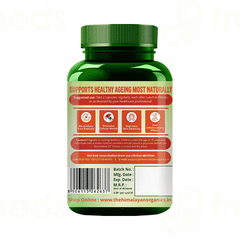
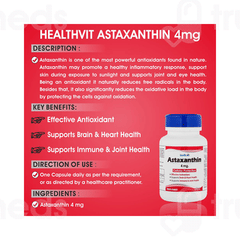
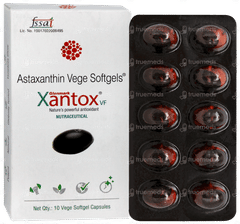
Company
About UsHealth ArticleHealth StoriesHealth LibraryDiseases & Health ConditionsAyurvedaUnderstanding Generic MedicinesAll MedicinesAll BrandsNeed HelpFAQSecuritySavings CalculatorAdvertise with UsSubscribe
Registered Office Address
Grievance Officer
Download Truemeds


Contact Us
Our customer representative team is available 7 days a week from 9 am - 9 pm.
v4.28.13

2026 - Truemeds | All rights reserved. Our content is for informational purposes only. See additional information.

Our Payment Partners