

Allylestrenol
Uses of Allylestrenol
Allylestrenol is a progestogen medicine used mainly to support pregnancy in women at risk of miscarriage or premature labour.
Allylestrenol is commonly used for:
• Recurrent miscarriage: Helps prevent repeated pregnancy loss linked to low progesterone activity.
• Threatened abortion: Manages bleeding and cramping in early pregnancy that may signal a risk of miscarriage.
• Premature labour: Helps relax the uterus to reduce the risk of labour starting too early.
• Habitual abortion: Supports pregnancy in women with a history of repeated pregnancy loss, particularly when accompanied by pelvic pain and bleeding.
Side effects of Allylestrenol
Nausea and vomiting
Stomach discomfort
Anxiety and irritation
Muscle pain
Changes in body weight
How Allylestrenol works
Allylestrenol is a synthetic form of the hormone progesterone.
It works by mimicking the natural effects of progesterone in the body. It relaxes the muscles of the uterus, which helps prevent contractions that could lead to premature labour.
Allylestrenol also supports the uterine lining, known as the endometrium, helping to prevent it from shedding and causing bleeding.
Certified content
Written By

Doctor of Medicine
Reviewed By

Bachelor of Dental Surgery
Expert Advice
Dosage Forms Available
Allylestrenol can be taken orally (tablet).
Age and Dose Restrictions
Allylestrenol is primarily intended for adult women of childbearing age.
Contraindications
Allylestrenol is contraindicated in patients with known hypersensitivity to the medicine or any of its components. It is also contraindicated in patients with severe liver disease, undiagnosed vaginal bleeding, incomplete abortion, and hormone-dependent cancers such as breast and uterine cancer.
Other Medications to Avoid
Allylestrenol can interact with antifungals (such as ketoconazole and itraconazole), antiepileptics (such as phenytoin and carbamazepine), and antibiotics (like rifampicin).
Overdose and Missed Dose
- An overdose of Allylestrenol at prescribed doses is unlikely to cause serious harm, but you should inform your doctor if you have taken more than prescribed, especially if you notice unusual symptoms such as nausea or abdominal pain.
If you miss a dose of Allylestrenol, take it as soon as you remember. If it is almost time for your next dose, skip the missed dose and continue with your regular schedule. Do not take a double dose to make up for the one you missed.
Management of Side Effects
Most side effects are temporary and generally harmless and resolve when discontinuing this medicine. However, if you experience any severe side effects or worsening of any of the symptoms, please consult your doctor.
To manage nausea or vomiting, avoid taking the medicine on an empty stomach.
If the medicine causes dizziness or drowsiness, try taking it before bedtime.
Use in Driving and Operating Machinery
Allylestrenol may cause dizziness or drowsiness. Therefore, caution is advised while driving or operating machinery after taking this medicine.
Use in Pregnancy and Lactation
Allylestrenol is generally considered safe for use during pregnancy when prescribed by a doctor. However, it is not recommended during breastfeeding as it may pass into breast milk and affect the baby.
Caution in Other Conditions
Patients with pre-existing conditions like breathing disorders (asthma, COPD), epilepsy, seizures, migraines, diabetes or heart problems should use Allylestrenol with caution.
Also, patients with a history of thromboembolic disorders (blood clots) or hormone-sensitive cancers should be cautious while taking this medicine.
Special Dietary and Lifestyle Recommendations
Try to manage stress through relaxation techniques like deep breathing exercises and meditation.
Regular prenatal check-ups are essential to monitor the progress of the pregnancy and detect any complications early.
Frequently asked questions
Is Allylestrenol a steroid?
Yes, Allylestrenol is a synthetic progestogen, which means it is a type of steroid hormone. It mimics the natural hormone progesterone in the body.
Will Allylestrenol affect fertility?
Allylestrenol is used to support pregnancy and prevent complications such as premature labour and recurrent miscarriages. It does not have a direct effect on fertility. However, it should not be taken without medical advice.
Can I take Allylestrenol daily?
The dosage and duration of taking Allylestrenol are determined by your doctor based on your condition, age, weight, and response to therapy. It is important to follow your doctor's instructions while taking this medication.
How much time does Allylestrenol take to work?
The time it takes for Allylestrenol to work can vary depending on the individual and the condition being managed. Typically, you may start seeing its effects after a few days of regular use.
Is Allylestrenol available over the counter, or do I need a prescription?
Allylestrenol is a prescription medication and can only be obtained with a doctor's prescription. It is not available over the counter.
Does Allylestrenol have any effect on menstruation?
Yes, one of the side effects of Allylestrenol could be menstrual irregularities. However, these side effects are generally mild and subside on their own.
Can Allylestrenol cause mood changes?
Yes, some people taking Allylestrenol may experience mood changes such as anxiety, irritation, and depression. These are some of the known side effects of this medication.
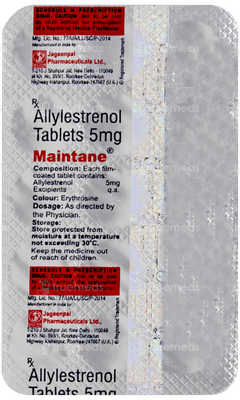
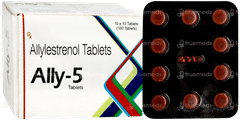
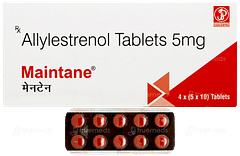
List of medicines for Allylestrenol

Company
About UsHealth ArticleHealth StoriesHealth LibraryDiseases & Health ConditionsAyurvedaUnderstanding Generic MedicinesAll MedicinesAll BrandsNeed HelpFAQSecuritySavings CalculatorAdvertise with UsSubscribe
Registered Office Address
Grievance Officer
Download Truemeds


Contact Us
Our customer representative team is available 7 days a week from 9 am - 9 pm.
v4.28.13

2026 - Truemeds | All rights reserved. Our content is for informational purposes only. See additional information.
Our Payment Partners